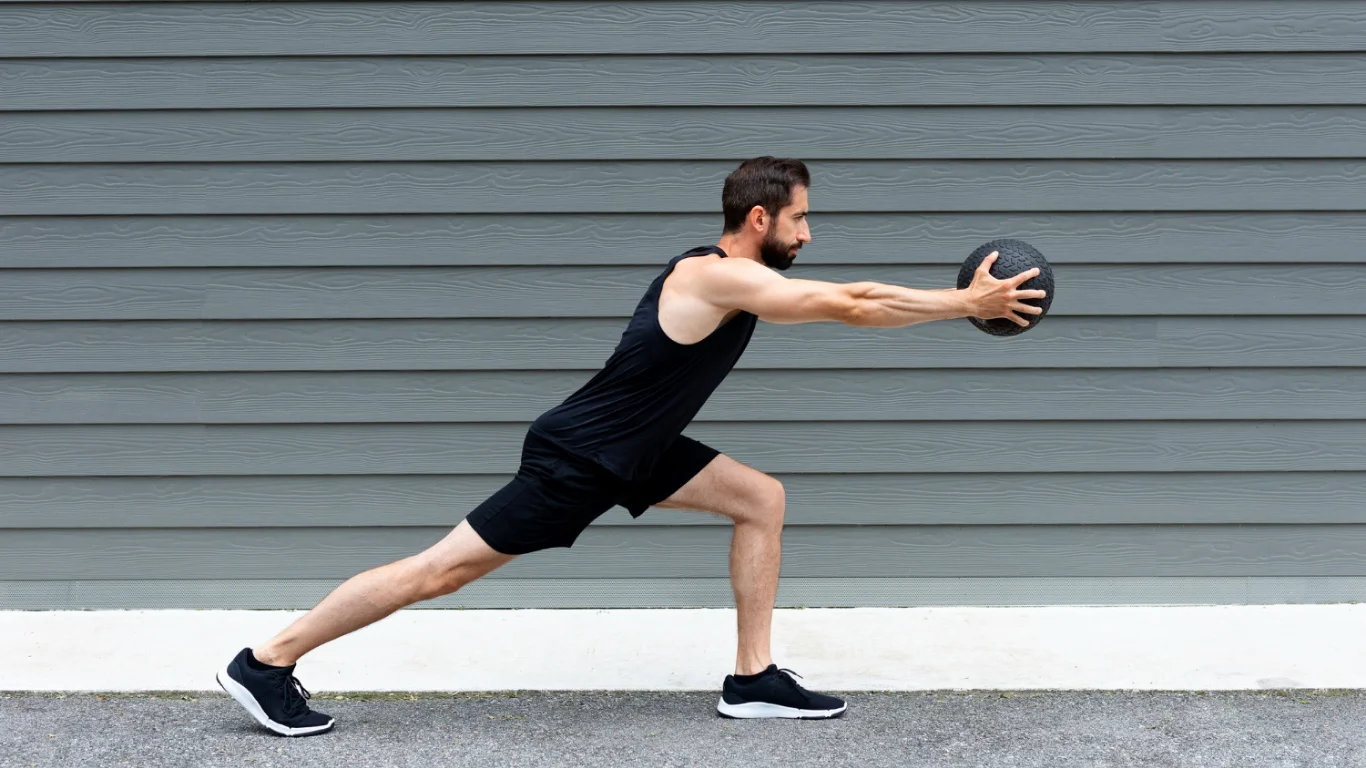
The Standing Power Throw (SPT) measures explosive strength by requiring participants to throw a weighted ball backward overhead for maximum distance. Many people look up Standing Power Throw (SPT) details because it tests coordination, hip drive, and total-body power. This event highlights how efficiently force is generated from the legs through the upper body. Proper technique makes a major difference in results.
What Is the Standing Power Throw (SPT)
Standing Power Throw (SPT) involves launching a medicine ball backward over the head while standing inside a marked lane. The goal is to achieve the farthest legal distance. Balance, timing, and strength all contribute to performance.
This event evaluates explosive power rather than endurance. Strong hips and legs provide the primary force. Upper-body involvement supports distance but does not replace lower-body drive.
Official Rules and Execution Standards
Participants must begin behind the throwing line with feet planted. Jumping forward or stepping over the line invalidates the attempt. Two attempts are usually allowed, with the best distance recorded.
Proper form is strictly enforced. The ball must travel backward overhead in one continuous motion. Following the rules prevents disqualified throws.
How Standing Power Throw (SPT) Is Scored
Scoring is based on the distance from the throwing line to the first point of contact. Longer throws earn higher scores according to established standards. Fouls result in zero distance for that attempt.
Standing Power Throw (SPT) rewards explosive strength and precise timing. Even small technique improvements can add significant distance. Measuring progress during training helps refine performance.
Muscles Used in Standing Power Throw (SPT)
The glutes, quadriceps, hamstrings, and calves generate initial power. The core transfers energy upward, while shoulders and arms guide the release. This coordinated chain is essential for maximum output.
Weak links reduce distance dramatically. Balanced strength across all muscle groups improves efficiency. Full-body training supports better throws.
Proper Technique for Maximum Distance
Start with feet shoulder-width apart and knees slightly bent. Load the hips by hinging backward, then explosively extend while driving the ball overhead. Release at full extension for optimal trajectory.
Standing Power Throw (SPT) success depends on synchronized movement. Rushing the upper body before the legs extend limits power. Smooth sequencing creates longer throws.
Common Mistakes to Avoid
Leaning too far back reduces balance and power transfer. Throwing mainly with the arms limits distance. Poor foot placement often leads to fouls.
Correcting these errors improves Standing Power Throw (SPT) performance quickly. Focus on hip drive and stable footing. Consistent practice refines mechanics.
Training Exercises for Better Power
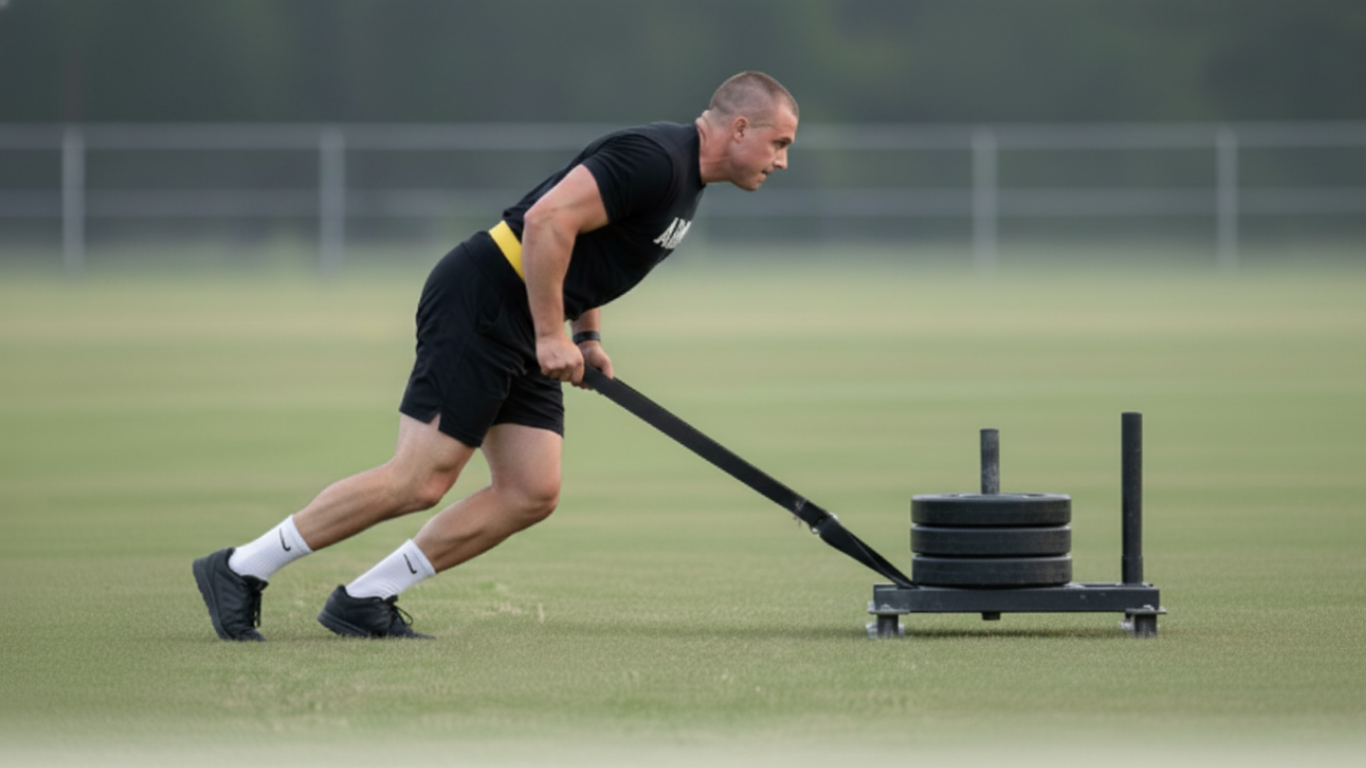
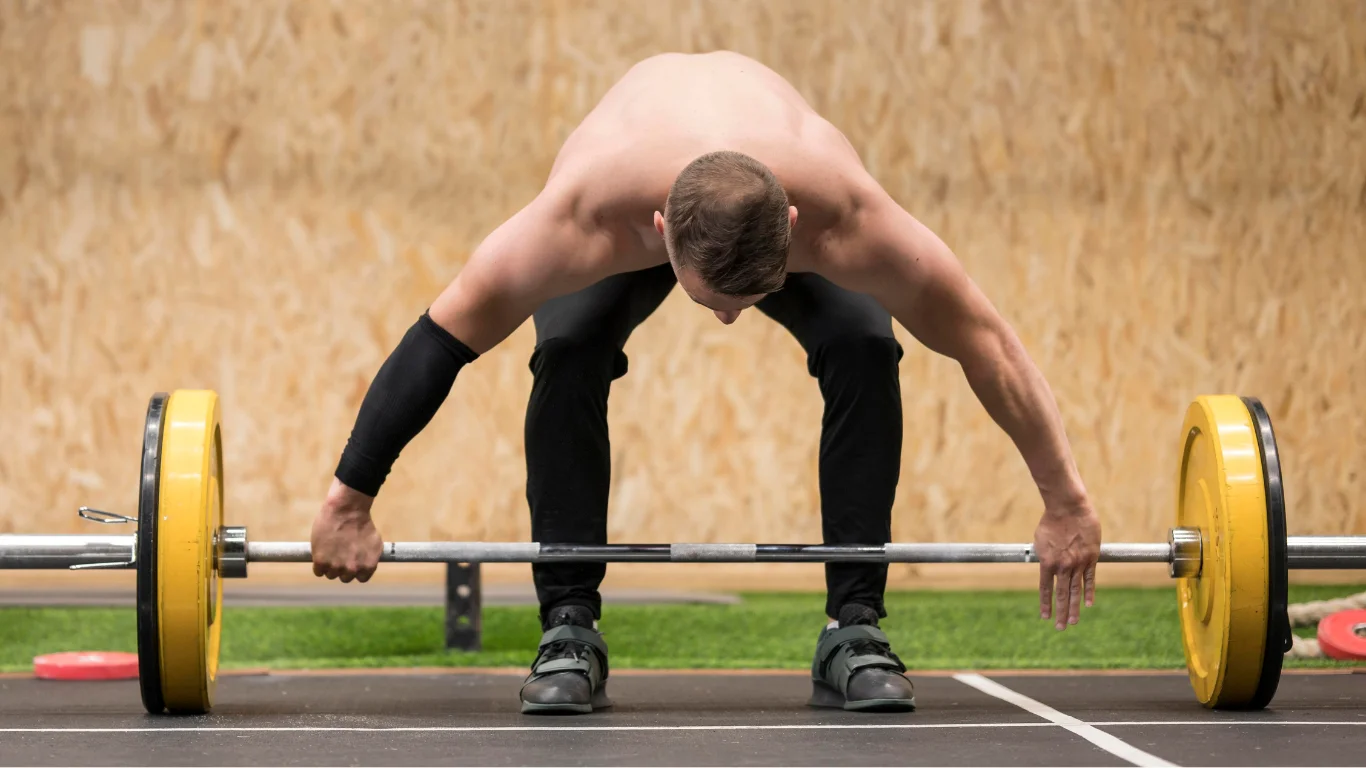
Deadlifts, kettlebell swings, and squats build lower-body strength. Medicine ball slams and overhead throws improve explosive coordination. Core exercises enhance energy transfer.
Standing Power Throw (SPT) training should include both strength and speed work. Short, intense sessions produce the best results. Recovery days prevent overuse injuries.
Timing and Breathing During the Throw
Inhale during the setup phase and exhale sharply at release. This breathing pattern supports core engagement and power output. Controlled breathing improves stability.
Standing Power Throw (SPT) performance increases when breathing aligns with movement. Proper timing maximizes force. Small adjustments lead to measurable gains.
Mental Preparation for the Event
Confidence affects explosiveness. Visualizing a powerful throw improves execution. Staying relaxed prevents stiff movement patterns.
Mental readiness enhances Standing Power Throw (SPT) results. Focus on technique cues rather than distance. Calm concentration supports clean attempts.
Conclusion
Standing Power Throw (SPT) is a true test of explosive strength, coordination, and technique. By developing lower-body power, refining mechanics, and practicing consistently, throw distance can improve rapidly. Smart training and focused execution transform this event into a scoring advantage. Mastery of fundamentals ensures strong performance on test day.
FAQs
What is Standing Power Throw (SPT)?
It is a power event that measures explosive strength using a backward overhead medicine ball throw.
How many attempts are allowed in Standing Power Throw (SPT)?
Typically two attempts are given, with the best distance counted.
Which muscles matter most for Standing Power Throw (SPT)?
The glutes, legs, core, shoulders, and arms all contribute to distance.
What is the biggest mistake in Standing Power Throw (SPT)?
Relying only on arm strength instead of driving through the hips.
How can I improve my Standing Power Throw (SPT) quickly?
Train lower-body power, practice medicine ball throws, and refine timing.