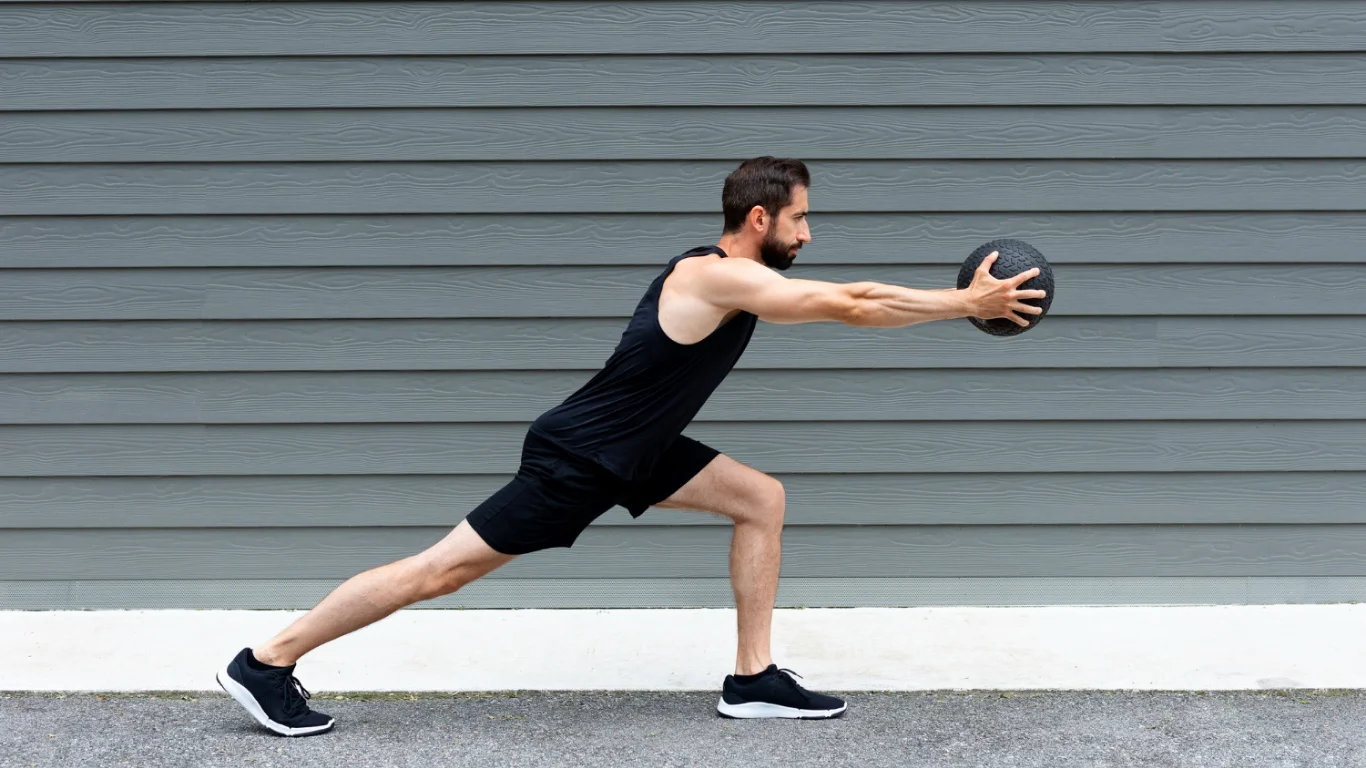
The Sprint-Drag-Carry event is one of the most physically demanding parts of the AFT, designed to measure speed, power, agility, and strength—often all within the same minute. This event combines multiple movement patterns without rest, pushing the body to shift between sprinting, dragging, carrying, and lateral movement. Because it challenges both cardiovascular endurance and muscular strength simultaneously, the SDC is widely considered one of the most accurate tests of full-body readiness.
Purpose of the Sprint-Drag-Carry in Military Fitness
The Sprint-Drag-Carry plays a crucial role in assessing how well a participant can perform high-effort tasks under pressure. In real-life situations, individuals may need to move quickly with gear, drag heavy equipment, or sprint to assist someone. This event helps evaluate that mix of physical abilities in a controlled, measurable format. By combining short bursts of speed with loaded movement, the test mirrors the physical demands common in tactical environments.
How the Sprint-Drag-Carry (SDC) Is Performed
The SDC takes place on a 25-meter lane and includes five consecutive segments, each requiring a different movement style. Participants begin with a full sprint, followed by a backward drag, a lateral shuffle, a kettlebell carry, and a final sprint. All movements must be completed as quickly as possible, and the clock only stops once the participant crosses the finish line during the final sprint. Because every segment builds on the previous one, pacing and technique are key to achieving a competitive time.
Breakdown of the Five SDC Segments
Below is the order in which each movement is performed:
- Sprint – A full-speed run to activate leg power and acceleration.
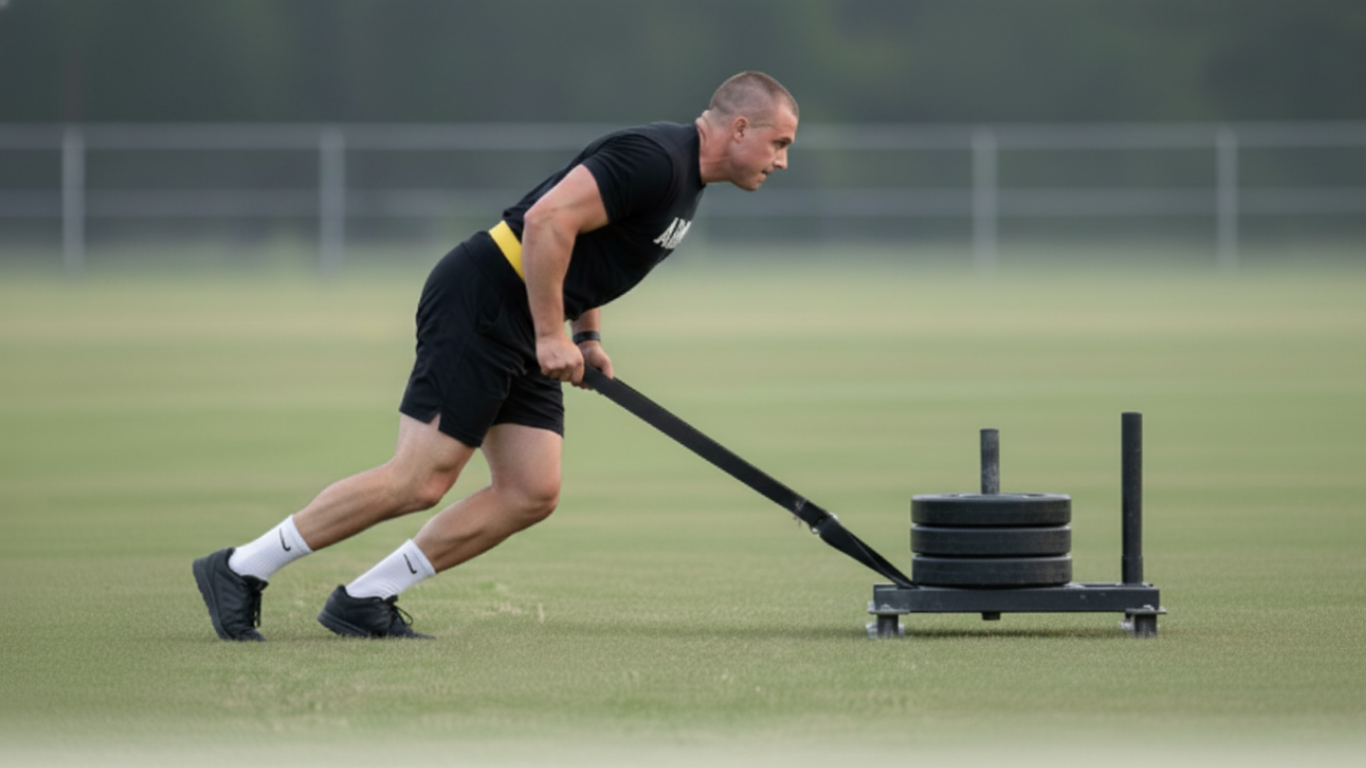
- Drag – Dragging a weighted sled backward while keeping the body balanced.
- Lateral Shuffle – Side-to-side movement without crossing the feet.
- Kettlebell Carry – Carrying two weights with controlled, upright posture.
- Final Sprint – A last burst of speed, usually the most physically challenging segment.
These segments demand strong technique and energy management to maintain speed while reducing fatigue.
Why the SDC Is Important for AFT Scoring
The Sprint-Drag-Carry has a major impact on AFT calculator because it tests multiple physical abilities at once. A fast time can significantly enhance your overall score, showing that you can handle tasks requiring strength, coordination, and fast response under stress. Since the event measures real functional fitness—dragging, sprinting, carrying—it remains one of the key indicators of readiness. Improving performance here often leads to better total AFT results across the board.
Training to Improve Sprint-Drag-Carry Performance
Training for the SDC should include a combination of sprint drills, strength work, and loaded movement. Building lower-body power is essential, but so is improving core stability and grip strength for the carrying portions. Interval training helps mimic the event’s stop-and-go intensity, while resistance work builds the power needed for sled drag and rapid sprints. Practicing all movement patterns together can greatly improve consistency and speed.
Training Tips for Better SDC Results
Here are a few practical training suggestions for stronger Sprint-Drag-Carry performance:
- Incorporate short sprint intervals to improve acceleration
- Use sled pulls or resistance bands to simulate dragging movements
- Practice lateral shuffles to increase speed and reduce wasted motion
- Strengthen grip and shoulders for kettlebell carrying
- Train movements back-to-back to replicate real event fatigue
Focusing on smooth transitions between each segment can drastically improve overall time.
Common Mistakes
Many participants slow down due to form issues, especially during the drag and carry portions. A common mistake is leaning too far forward during the sled drag, which reduces control and wastes energy. Others lose time during the lateral shuffle by crossing their feet or turning their body sideways. Carrying kettlebells with loose posture is another problem—it causes imbalance and makes the movement slower. Paying attention to efficient technique helps conserve strength and maintain momentum through the entire event.
Benefits of Training
The Sprint-Drag-Carry provides benefits that extend far beyond testing. Because it requires strength, speed, and endurance in one sequence, it enhances athletic performance as a whole. Training for this event improves cardiovascular health, builds leg and back strength, and increases agility. It also enhances task-specific abilities such as carrying heavy objects, reacting quickly, and changing direction under pressure. These improvements translate well into everyday physical activities as well as high-performance training.
Conclusion
The Sprint-Drag-Carry event is a powerful measure of total-body performance within the AFT. Combining sprinting, dragging, lateral movement, and carrying in a single sequence makes it one of the most complete fitness challenges. With proper training, strong technique, and consistent practice, anyone can improve their time and significantly boost their AFT score. Whether you’re preparing for the test or building real-world functional fitness, mastering the SDC is a valuable step in enhancing overall strength and endurance.
FAQs
What is a good time for the Sprint-Drag-Carry?
A faster time is always better, but the ideal score depends on age and standards. Training consistently usually leads to rapid improvement.
Do I need equipment to practice the SDC?
While sleds and kettlebells help, you can simulate movements using resistance bands, weighted bags, or improvised equipment to build strength.
Is it okay to rest between SDC segments?
No. The event must be completed continuously without breaks, as the timer runs until the final sprint finish.
Does technique matter in the SDC?
Absolutely. Proper technique helps conserve energy and prevents slowdowns, especially during the drag and lateral shuffle segments.
How often should I train for this event?
Two to three focused sessions per week, combined with sprint training and strength work, are enough for most people to improve their timing.