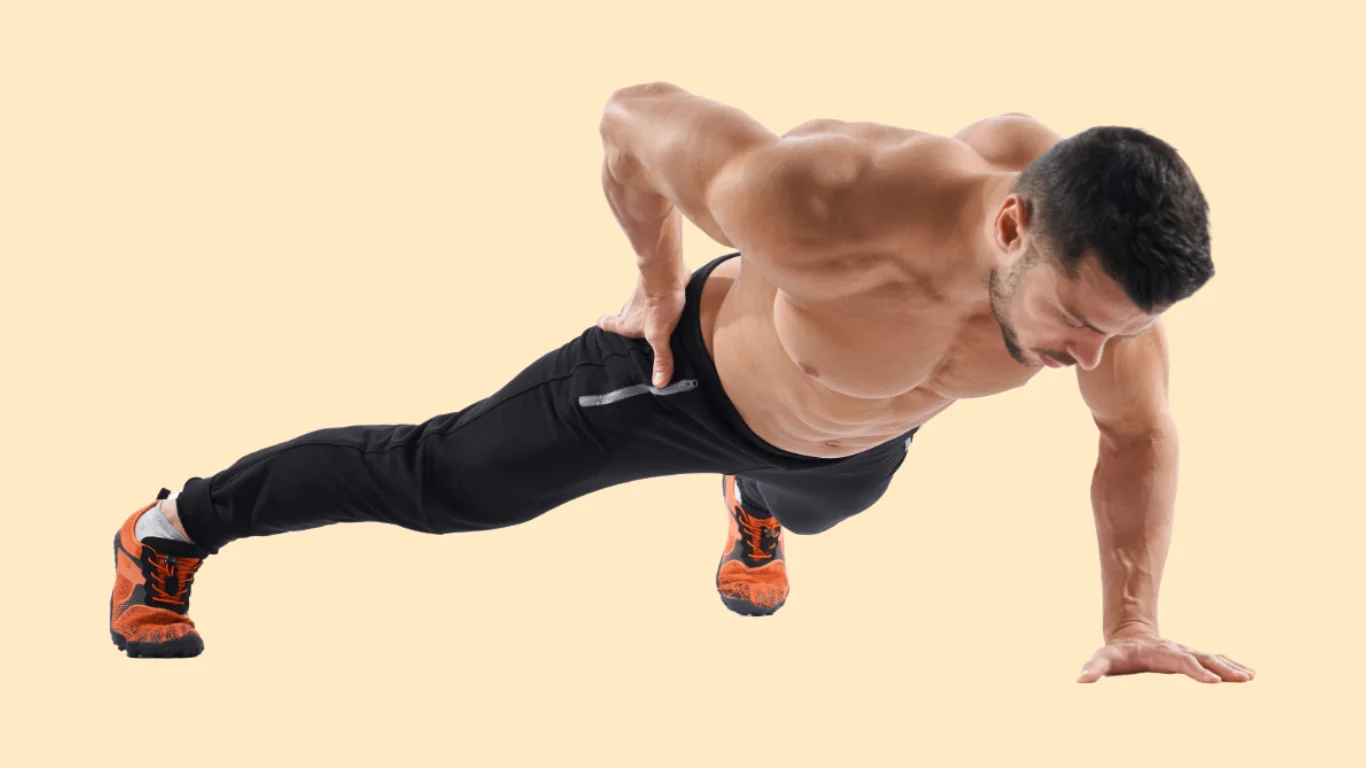
The Plank (PLK) is a core-strength endurance event introduced as part of the Army Fitness Test to measure a soldier’s ability to maintain a stable, supported body position under fatigue. Many candidates search for Plank (PLK) details because it replaces traditional core assessments with a safer, more functional standard. This event evaluates abdominal strength, shoulder stability, and mental toughness in a single timed hold. Understanding proper form, scoring, and preparation is essential for achieving a competitive result.
What Is Plank (PLK) in the Army Fitness Test
Plank (PLK) requires participants to hold a straight-body position supported by forearms and toes for as long as possible. The body must remain aligned from head to heels while the core stays engaged throughout the event. Movement, sagging hips, or raised hips can lead to termination of the test.
The purpose of Plank (PLK) is to assess core endurance that directly supports combat readiness and injury prevention. It emphasizes stability rather than repetitive motion. This makes the event more practical for real-world military demands.
Official Rules and Body Position Requirements
During Plank (PLK), elbows must be placed directly under the shoulders, forearms flat on the ground, and hands either clasped or placed palms-down. The head, torso, hips, and legs must stay in one straight line at all times. Only forearms and toes may touch the ground.
If the hips drop, knees touch the floor, or the body breaks alignment, the grader issues corrections. Continued failure to maintain form ends the attempt. Strict positioning ensures consistency and fairness across all test takers.
How the Plank (PLK) Is Scored
Plank (PLK) is scored based on total time held in correct form. Higher hold times earn better scores, while dropping form results in immediate stoppage. Each branch publishes minimum passing standards and performance benchmarks by age and gender.
Scoring rewards endurance and discipline rather than speed. This encourages steady breathing and controlled muscle engagement. Training for longer holds directly improves performance.
Muscles Used During Plank (PLK)
Plank (PLK) primarily targets the rectus abdominis, transverse abdominis, obliques, shoulders, glutes, and lower back. Secondary engagement occurs in the quads and calves as they help stabilize the body. This full-chain activation makes it an efficient total-core assessment.
Because multiple muscle groups work together, fatigue builds gradually. Strong core coordination helps delay failure. Balanced training across these muscles produces better results.
Proper Plank Technique for Maximum Time
Correct technique is critical for success in Plank (PLK). Start by bracing your core, squeezing your glutes, and drawing your ribs down to keep the spine neutral. Keep your gaze slightly forward and maintain steady breathing to avoid early burnout.
Small posture errors dramatically reduce endurance. Maintaining tight alignment conserves energy and prevents penalties. Practicing perfect form is more important than chasing longer times too early.
Common Mistakes That Reduce Your Score
One frequent mistake is letting the hips sag, which increases strain on the lower back and shortens hold time. Another issue is raising the hips too high, which removes tension from the core and leads to warnings. Many participants also forget to breathe steadily.
Avoiding these errors improves Plank (PLK) performance instantly. Focus on full-body tension and controlled breathing. Consistent practice eliminates form breakdown under fatigue.
Training Strategies to Improve Plank (PLK)
Progressive holds are one of the best ways to build endurance. Start with manageable intervals and gradually increase total time each week. Adding side planks, dead bugs, and hollow holds strengthens supporting muscles.
Specific Plank (PLK) preparation should also include shoulder stability and glute activation. Short, frequent sessions work better than occasional long workouts. Consistency delivers measurable gains.
Weekly Sample Training Approach
Train the plank three to four times per week with one long hold day and two shorter technique days. Pair core work with compound lifts or bodyweight movements to simulate fatigue. Finish sessions with mobility to protect the hips and lower back.
This balanced approach improves both strength and endurance. Tracking times keeps motivation high. Small weekly improvements add up quickly.
Mental Focus During the Event
Plank (PLK) challenges mental resilience as much as physical strength. Breaking the hold into short time segments helps manage discomfort. Slow nasal breathing calms the nervous system and delays fatigue.
Staying relaxed while maintaining tension is key. Visualizing success keeps you engaged. Mental control often determines the final seconds of performance.
Benefits of Plank (PLK) Beyond Testing
Beyond the test, Plank (PLK) builds a strong core that supports running, lifting, and injury prevention. It improves posture and balance for daily activities. Regular plank training also enhances athletic performance.
A stronger core transfers power efficiently across the body. This reduces strain on joints. Long-term benefits extend well past test day.
Conclusion
Plank (PLK) is a demanding but effective way to measure core endurance, stability, and discipline in the Army Fitness Test. Mastering technique, avoiding common mistakes, and following a structured training plan dramatically improve results. With consistent practice and focused breathing, longer hold times become achievable. Preparing properly ensures confidence on test day and supports overall physical readiness.
FAQs
What is Plank (PLK) in the Army Fitness Test?
Plank (PLK) is a timed forearm plank event that measures core endurance and full-body stability.
How is Plank (PLK) scored?
It is scored by total time held in correct form, with penalties or termination for posture breaks.
What muscles does Plank (PLK) work?
It targets the core, shoulders, glutes, lower back, and legs for full-body stabilization.
How can I improve my Plank (PLK) time quickly?
Practice perfect form, train progressively, strengthen supporting muscles, and use controlled breathing.
What are common Plank (PLK) mistakes?
Sagging hips, raised hips, shallow breathing, and loss of body alignment are the most common issues.