The 3 Repetition Maximum Deadlift is one of the primary strength events included in the AFT, the updated version of the Army Combat Fitness Test. This event measures how much weight a person can safely lift from the ground to a standing position three times in a row. Unlike traditional gym deadlifts, the AFT version uses a hex bar, which is designed to encourage better lifting posture and reduce stress on the lower back. Because of the test’s structure, the MDL is considered one of the most direct indicators of lower-body strength, stability, and real-world lifting ability.
Purpose of the 3 Repetition Maximum Deadlift
The main goal of the 3 Repetition Maximum Deadlift is to evaluate strength that translates directly to real situations—carrying heavy loads, lifting gear, assisting teammates, or moving equipment. The test focuses on how well your body handles weight using major muscle groups, especially your legs, hips, back, and core. Rather than showing raw power alone, it measures controlled strength and proper lifting technique, both of which are crucial for safe movement under load, whether in military environments or everyday tasks.
How the MDL Is Performed in the AFT
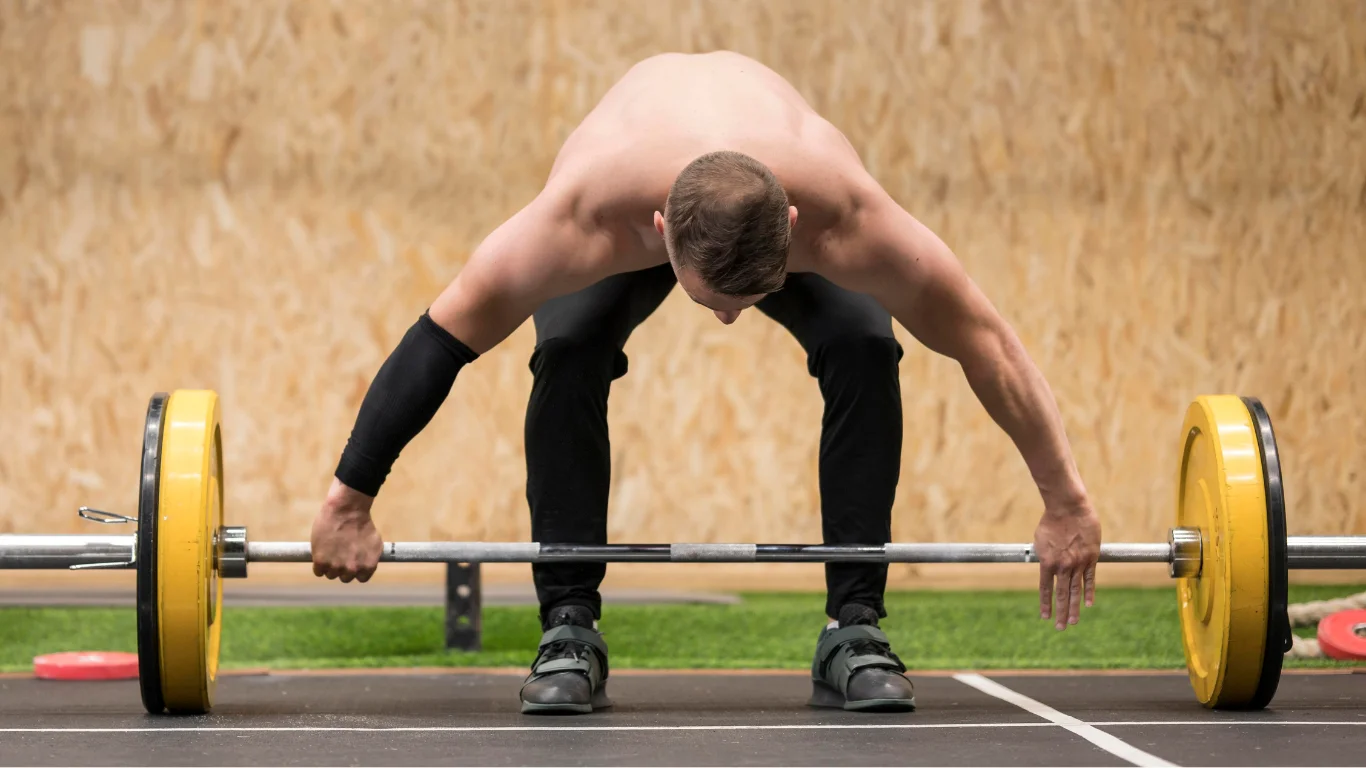
The 3 Repetition Maximum Deadlift follows a structured format to ensure consistency and safety. Participants step into a hex bar, grip the handles evenly, and lift the weight until their shoulders and hips align in a fully upright stance. Each repetition must begin from the ground and end with the lifter standing tall. A valid attempt requires three clean, continuous reps with the same weight. If form breaks—rounded back, uneven lifting, or dropping the bar—the rep may not count. The lifter only receives credit for properly completed repetitions performed under control.
Key Technique Points
A few technique standards help maintain safety and fairness during the event:
- The spine must remain neutral through every rep
- The bar should rise with hips and shoulders moving together
- Weight plates must touch the ground gently before the next lift
- Repetitions must be completed without pausing excessively between lifts
These details ensure the lift reflects true controlled strength rather than momentum or unsafe movement.
Why the MDL Matters for AFT Scoring
The MDL affects overall AFT performance because it carries direct scoring weight. A stronger score in this event indicates that a participant can handle demanding physical tasks with more efficiency and lower injury risk. Since the AFT evaluates holistic readiness, the deadlift score contributes to overall preparedness. Achieving a higher 3 Repetition Maximum Deadlift score not only improves your total points but also demonstrates practical strength required for the physical challenges associated with military duties or strenuous activities in civilian life.
Training to Improve Your 3 Repetition Maximum Deadlift
Improving your MDL score requires consistent training that strengthens your entire posterior chain—the muscles running from your neck to your heels. A well-structured routine includes heavy lifts performed with correct form, along with supporting exercises that improve balance, hip mobility, and grip endurance. Training two to three times per week is ideal for increasing power without overloading your body. Hex-bar deadlifts should be practiced regularly, because they closely match the actual test movement and help your body build muscle memory for the official event.
Helpful Training Suggestions
Here are a few training guidelines that work well for MDL improvement:
- Increase weight gradually, allowing your body time to adapt
- Include accessory lifts like squats, RDLs, back extensions, and core work
- Prioritize form and stability before attempting heavier loads
- Allow enough recovery time between heavy sessions to avoid fatigue
Small improvements add up quickly, and consistent training often leads to noticeable strength gains within a few weeks.
Common Mistakes During the MDL and How to Avoid Them
Many participants lose points on the MDL not because they lack strength, but because their form breaks under pressure. One common mistake is rounding the back, which puts stress on the spine and decreases the lift’s effectiveness. Another frequent issue is lifting with the hips rising before the shoulders, which disrupts balance and weakens the pull. Some lifters rush repetitions, which causes the bar to bounce off the ground—this leads to invalid reps. Focusing on controlled movements and proper posture helps avoid these mistakes and leads to a smoother, stronger performance.
Benefits of Practicing the MDL Beyond AFT Requirements
Even outside the AFT, the 3 Repetition Maximum Deadlift offers several long-term benefits. It strengthens muscles that support daily movements like standing, lifting, and carrying items. Regular deadlifting improves posture, reduces the risk of back injuries, and enhances overall athletic performance. Many athletes and fitness enthusiasts use 3RM measurements to track progress because it provides a reliable strength benchmark without the risks associated with a one-rep maximum attempt. Practicing this lift consistently can significantly improve functional fitness in many areas of life.
Conclusion
The 3 Repetition Maximum Deadlift is more than just a test event—it’s a powerful tool for building core strength, improving functional movement, and enhancing overall physical capacity. Whether you’re preparing for the AFT or looking to track your strength progress, mastering this lift is a valuable investment. Proper form, steady training, and disciplined technique can dramatically improve your performance while making your body safer and stronger in the process. Over time, these gains translate into better scores, improved posture, and greater confidence in handling physical challenges.
FAQs
What muscles does the 3 Repetition Maximum Deadlift work?
It targets the legs, hips, lower back, upper back, and core. The hex-bar design spreads the load evenly across these muscle groups for safer and more balanced lifting.
How often should I train to improve my MDL score?
Two to three focused sessions per week are ideal, with rest days or light movement in between to help recovery and prevent overtraining.
What equipment is used in the MDL during the AFT?
The event uses a hex (trap) bar along with weighted plates, which encourage better form and reduce the risk of spinal strain compared to traditional straight-bar deadlifts.
Can beginners perform the MDL safely?
Yes, as long as they start with light weight and learn proper form before increasing load. Many beginners find the hex-bar easier to control than a regular barbell.
Is bouncing the weight allowed during MDL?
No. Each repetition must start from a controlled position with the plates resting on the ground. Bouncing can invalidate the rep and increase injury risk.